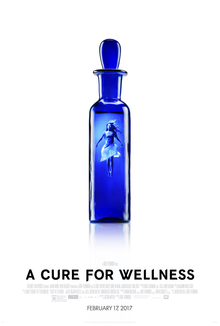
A Cure for Wellness: Exploring Twisted Themes of Isolation and Immortality
Gore Verbinski's 2016 psychological horror film,
A Cure for Wellness, stands as a mesmerizing and deeply unsettling exploration of humanity's darkest desires and fears. Far from a typical genre entry, this cinematic experience plunges viewers into a world where the pursuit of health veils a sinister, ancient evil, offering a profound critique of modern wellness culture while weaving a tapestry of gothic dread. If you're looking for a film that combines breathtaking visuals with a slow-burn narrative of escalating psychological terror, then delving into the depths of
A Cure for Wellness is an absolute must.
The Twisted Premise of A Cure For Wellness: Beyond Serenity
The narrative of
A Cure for Wellness begins deceptively simply. We are introduced to Lockhart (Dane DeHaan), an ambitious, cutthroat young executive whose company is facing a scandal. His desperate superiors dispatch him to a remote, idyllic "wellness center" nestled high in the Swiss Alps. His mission: retrieve the company's elusive CEO, Roland Pembroke, who has seemingly vanished into the facility's serene embrace. What Lockhart finds, however, is anything but serene.
Upon his arrival at the mysterious Volmer Institute, Lockhart is met with an atmosphere thick with an unsettling blend of antiquated luxury and unnerving control. The institute, run by the charismatic and unsettling Dr. Volmer (Jason Isaacs), promises a miraculous cure for the "sickness" of the modern world. Yet, beneath the pristine white coats and therapeutic waters, something deeply sinister festers. Lockhart quickly discovers that checking in is far easier than checking out, becoming an unwilling patient ensnared in bizarre, pseudo-medical treatments involving strange elixirs and unnervingly present eels. His initial cynicism slowly gives way to a horrifying realization: the institute's definition of wellness is profoundly twisted, and his own sanity begins to fray amidst the isolated grandeur.
Unpacking the Horrors: Isolation, Immortality, and Mind Games
What makes
A Cure for Wellness so effective as a horror film is its masterful manipulation of core human anxieties, primarily
isolation and the desperate, often dark, pursuit of
immortality.
*
Profound Isolation: The film expertly uses its remote, mountainous setting to amplify Lockhart's sense of entrapment. Cut off from the outside world, his cries for help go unheard, and his grip on reality weakens. This physical isolation mirrors his psychological state as he's slowly drawn into the institute's delusion, questioning everything he thought he knew. The other patients, seemingly content in their blissful ignorance, only deepen his solitude, making him feel like the sole sane person in a world gone mad. This extreme isolation is a chilling reminder of how vulnerable we become when separated from our anchors to reality.
*
The Allure of Immortality: At the heart of the institute's darkness lies a centuries-old pursuit of eternal life. Lockhart uncovers the sanatorium's macabre history, tracing back to a deranged baron's eugenics experiments aimed at purifying his bloodline through horrifying means. The "cure" offered by Dr. Volmer is not about health in the conventional sense, but a twisted ritual designed to prolong a corrupted existence. This thematic thread explores the moral and ethical boundaries humans are willing to cross in their quest to cheat death, presenting a terrifying vision of life everlasting as a curse rather than a blessing.
*
Psychological Terror and Body Horror: Verbinski spares no expense in disturbing his audience. Lockhart's journey is a descent into madness, plagued by vivid hallucinations and nightmarish revelations. The "treatments" – particularly the unnerving presence of eels – transform the pristine spa into a chamber of visceral body horror. The subtle visual cues, the unsettling sounds, and the gradual erosion of Lockhart's sanity combine to create a pervasive sense of dread that is far more impactful than any cheap jump scare. The film critiques contemporary wellness culture by exaggerating its promises, showing how readily people surrender control and judgment in pursuit of a fabricated ideal of health, ultimately falling prey to dependency and delusion.
The Eerie Symphony: Sound and Vision of A Cure For Wellness
Gore Verbinski's distinct directorial vision is one of the pillars supporting
A Cure for Wellness's unique terror. He masterfully blends gothic traditions with surreal aesthetics, creating an atmosphere that feels both classically eerie and disturbingly modern. The film's visuals evoke the lush yet sinister dread of classic Hammer Films, showcasing opulent, sprawling European settings that conceal decaying truths and grotesque secrets. The cinematography is exquisite, presenting breathtaking landscapes and grand architecture that belie the horrors within, making the eventual reveals all the more shocking.
Crucial to the film's immersive and unsettling experience is its haunting original score. Composed by Benjamin Wallfisch with additional music by the legendary Hans Zimmer, the soundtrack for
A Cure for Wellness is a character in itself. Released by Milan Records, the album features 18 tracks that perfectly encapsulate the film's romantic suspense and thematic depth.
Wallfisch's score masterfully blends orchestral lyricism with unsettling electronic dissonance. Tracks like the waltz-infused "Feuerwalzer" and the foreboding "The Rite" exemplify this balance, drawing comparisons to the works of iconic horror composers like Jerry Goldsmith and Christopher Young. The music wraps around the film's narrative, elevating every scene of psychological torment and chilling discovery. The score culminates in a truly haunting cover of the Ramones' "I Wanna Be Sedated," performed by Mirel Wagner, a poignant and deeply ironic closing note that perfectly encapsulates the film's themes of forced calm and underlying despair.
Recorded at the iconic Abbey Road Studios, the score's quality and evocative power did not go unnoticed, winning the International Film Music Critics Association Award for Best Original Score for an Action/Adventure/Thriller Film in 2018. Critics widely praised its accessible, lyrical themes of sadness and foreboding, making it a standout for fans of atmospheric horror scores. For a deeper dive into the creation and impact of this award-winning soundscape, be sure to read
Benjamin Wallfisch's A Cure for Wellness Score: From Abbey Road to Award-Winning Horror.
Practical Insights & Viewing Experience
If the unsettling allure of
A Cure for Wellness has captivated you, here are a few insights for a deeper appreciation:
*
Who should watch? Fans of psychological horror, gothic thrillers, and films that prioritize atmosphere and thematic depth over jump scares will find much to appreciate. If you enjoy movies that leave you pondering long after the credits roll, this is for you.
*
Tips for viewing: Pay close attention to the visual details and symbolism. Verbinski packs the film with subtle clues and recurring motifs (eels, water, teeth) that enrich the narrative. Don't expect a fast-paced action horror; instead, settle in for a slow-burn descent into madness.
*
Where to watch: As a popular cult classic,
A Cure for Wellness is often available on various streaming platforms. To find out where you can stream this eerie Swiss sanatorium tale, check out our comprehensive
A Cure for Wellness Streaming Guide: Where to Watch the Eerie Swiss Sanatorium Tale.
Conclusion
A Cure for Wellness is not just a film; it's an experience. It's a visually stunning, thematically rich, and profoundly disturbing journey that challenges perceptions of health, sanity, and the relentless human desire for an escape from mortality. Gore Verbinski, supported by Benjamin Wallfisch's exceptional score, crafts a modern gothic masterpiece that resonates long after its unsettling conclusion. By confronting our innate fears of isolation and the dark implications of eternal life,
A Cure for Wellness carves out a unique and unforgettable niche in the pantheon of psychological horror, proving that sometimes, the most insidious cures are worse than the disease itself.