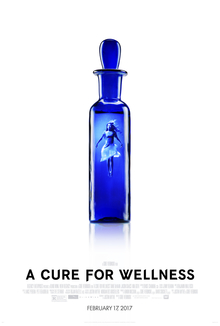
Benjamin Wallfisch's A Cure for Wellness Score: A Symphony of Dread and Beauty
From the hallowed halls of Abbey Road Studios emerged a score that redefined atmospheric horror: Benjamin Wallfisch's original soundtrack for Gore Verbinski's 2016 psychological thriller,
A Cure for Wellness. This critically acclaimed work masterfully blends opulent orchestral lyricism with unsettling electronic dissonance, crafting a soundscape as beautiful as it is terrifying. Wallfisch, with additional musical contributions from Hans Zimmer, takes listeners on a sonic journey that perfectly mirrors the film's descent into madness, isolation, and deceptive promises of wellness. It's a testament to his prowess that this score not only earned an International Film Music Critics Association (IFMCA) Award but also solidified its place as a modern classic in the genre, proving that true horror can be both profoundly disturbing and elegantly composed.
The Lyrical Terror: Crafting the Soundscape of A Cure For Wellness
Benjamin Wallfisch's approach to scoring
A Cure for Wellness was anything but conventional, especially for a horror film. Instead of relying solely on jump-scare stingers or constant cacophony, he constructed a nuanced auditory experience that ebbs and flows with the film's psychological torment. The score's foundation lies in the rich, emotive performances of the Chamber Orchestra of London, conducted by Gavin Greenaway, recorded in the iconic Abbey Road Studios. This classical backbone provides a sense of grandeur and old-world elegance, reflecting the remote, gothic aesthetic of the Swiss sanatorium where much of the film takes place.
However, Wallfisch skillfully subverts this beauty with an undercurrent of electronic dissonance. This juxtaposition is key to the score's unsettling effectiveness. Lyrical, sweeping passages are frequently interrupted or tainted by abrasive electronic textures, echoing the film's central theme of deceptive wellness—a beautiful facade hiding grotesque truths. Tracks like the waltz-infused "Feuerwalzer" perfectly exemplify this romantic suspense. It's a piece that dances with a dark grace, alluring and foreboding all at once, much like the sanatorium itself. Similarly, "The Rite" builds an undeniable sense of dread, guiding the listener through an increasingly sinister narrative. The co-orchestration by David Krystal and Matt Dunkley, alongside co-production from director Gore Verbinski and Chris Craker, highlights a collaborative vision to achieve this unique blend, drawing favorable comparisons to the thematic depth found in the works of legendary composers like Jerry Goldsmith and Christopher Young. For fans of these masters, Wallfisch’s work on
Cure For Wellness offers a fresh yet familiar depth.
Deconstructing the Score's Thematic Resonance
The true genius of Wallfisch’s score lies in its profound connection to the thematic core of
A Cure for Wellness. The film itself is a chilling exploration of deceptive wellness, profound isolation, and escalating psychological terror, set against the breathtaking yet ominous backdrop of the Swiss Alps. Lockhart’s (Dane DeHaan) journey into the enigmatic Vol. 9 wellness center, where bizarre treatments and ancient secrets intertwine, is mirrored note-for-note in Wallfisch’s composition.
The score’s orchestral lyricism often represents the deceptive beauty and seductive tranquility of the sanatorium, lulling both Lockhart and the audience into a false sense of security. As Lockhart uncovers the facility’s dark history—rooted in a baron’s eugenics experiments and pursuit of immortality—the electronic dissonance becomes more prominent, reflecting his fraying sanity, the grotesque body horror, and the unfolding revelations. The music expertly amplifies the sense of inherited madness and the trap of dependency that the film critiques within modern wellness culture.
One of the most memorable and chilling elements of the soundtrack is its haunting culmination: Mirel Wagner’s cover of the Ramones’ "I Wanna Be Sedated." This seemingly anachronistic choice serves as a powerful, ironic commentary on Lockhart's desperate situation and the patients' collective delusion. It underscores the film’s critique of a society that actively seeks escape and "wellness" through passive, often destructive, means. The sheer audacity and effectiveness of this final track cement the score's unique identity, leaving a lasting, eerie impression long after the credits roll. To truly grasp the intricate layers of the film's narrative, you might find more insights in
A Cure for Wellness: Exploring Twisted Themes of Isolation and Immortality, which delves deeper into the movie's psychological underpinnings.
Beyond the Screen: The Standalone Power and Critical Reception
While designed to enhance the cinematic experience, Benjamin Wallfisch's score for
A Cure for Wellness possesses a formidable power that allows it to stand alone as a compelling musical journey. Released on February 17, 2017, by Milan Records, the 18-track album spans nearly 50 minutes, offering listeners a comprehensive auditory narrative even without the accompanying visuals.
Critics and audiences alike largely praised Wallfisch’s achievement. Filmtracks awarded it a 4-star rating (with a viewer average of 3.46/5), highlighting its accessible, lyrical themes of sadness and foreboding that appeal especially to fans of atmospheric horror scores. AllMusic users rated it 7.7/10, acknowledging its evocative contribution to the film's eerie tone. The most significant recognition came in 2018 when it won the International Film Music Critics Association Award for Best Original Score for an Action/Adventure/Thriller Film. This accolade underscored its impact within the film music community, even if it didn't capture major awards like an Oscar or Grammy.
However, no score is without its nuanced critiques. Some reviewers noted that the score's reliance on abrasive electronic effects in intense passages, while thematically resonant, could occasionally be jarring for some listeners. Yet, for many connoisseurs of horror, this very quality is what elevates the score, pushing boundaries and ensuring the music is as unnerving as the on-screen terror. For those looking to dive deeper into this soundscape, listening with high-quality headphones can reveal the intricate layers and subtle sonic horrors that Wallfisch meticulously crafted. It's an experience designed not just to be heard, but to be felt, immersing you in the chilling world of
Cure For Wellness.
Benjamin Wallfisch's Journey: From Collaborative Genius to Acclaimed Composer
Benjamin Wallfisch's success with
A Cure for Wellness is not an isolated incident but a significant milestone in a career marked by versatility, depth, and a unique compositional voice. Before this project, Wallfisch had already established himself as a talented composer and a sought-after collaborator. His work often exhibits a keen understanding of emotional storytelling through music, capable of evoking profound sadness, thrilling suspense, and visceral horror.
His association with Hans Zimmer, who contributed additional music to
A Cure for Wellness, speaks volumes about Wallfisch's caliber. Zimmer is renowned for his innovative scores and for mentoring a generation of talented composers. This collaboration undoubtedly honed Wallfisch's ability to blend large-scale orchestral arrangements with contemporary electronic sounds, a skill set perfectly utilized in Verbinski's film. Wallfisch has since gone on to score a diverse range of high-profile films, including
It (2017),
Blade Runner 2049 (2017, with Hans Zimmer), and
The Invisible Man (2020), solidifying his reputation as a master of atmosphere and tension.
His ability to grasp a director’s vision—especially one as distinct as Gore Verbinski’s gothic and surreal approach in
A Cure for Wellness—and translate it into an auditory experience is what sets him apart. For this film, Wallfisch was the ideal choice, possessing the classical training for its elegant facade and the modern sensibility for its grotesque heart. His score doesn't just accompany the film; it becomes an active character, manipulating emotions and deepening the mystery of the eerie Swiss sanatorium. If you're inspired to watch the film to experience the score in its original context, check out our
A Cure for Wellness Streaming Guide: Where to Watch the Eerie Swiss Sanatorium Tale.
Conclusion
Benjamin Wallfisch's score for
A Cure for Wellness stands as a monumental achievement in contemporary film music, a masterful synthesis of beauty and dread. It's a work that not only elevates Gore Verbinski's visually stunning psychological horror film but also carves its own legacy as a powerful, standalone musical narrative. Through its intricate blend of orchestral grandeur and electronic disquiet, culminating in the ironically chilling "I Wanna Be Sedated," Wallfisch invites listeners into the very heart of the film's unsettling themes of isolation, illusion, and inherited madness. This award-winning horror score is a testament to Wallfisch's unique talent and a must-listen for anyone seeking a profoundly atmospheric and emotionally resonant journey into the darker corners of human psychology. It truly is a score that cures nothing, but evokes everything.